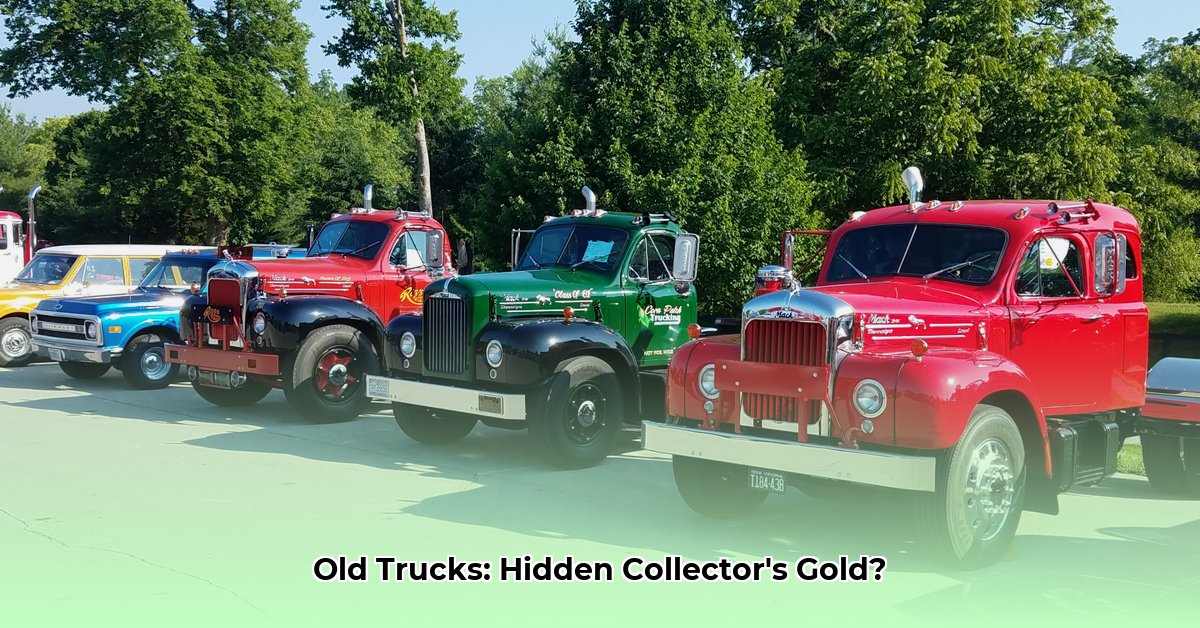
A Rolling Piece of Americana: The Allure of Antique Tractor-Trailers
The deep rumble of a classic big rig, the gleam of weathered chrome—collecting antique tractor-trailer trucks offers a unique blend of history, investment, and passion. These aren't just vehicles; they're tangible pieces of Americana, reflecting technological advancements and cultural shifts throughout the 20th century. This guide provides actionable insights for both novice and seasoned collectors, covering everything from identifying authentic trucks to preserving their value for generations to come. Are you ready to embark on this exciting journey? For insights into valuing other classic vehicles, check out this guide on classic vehicle valuation.
A Blast from the Past: The Evolution of Big Rigs
Early semi-trucks, emerging in the 1920s and 30s, were often rudimentary, adapted from existing car chassis. Rugged workhorses like the iconic Mack trucks defined this era, characterized by their robust power but comparatively simple designs. The post-World War II era brought significant changes: the rise of diesel engines dramatically improved power and fuel efficiency, while advancements in cab design prioritized driver comfort. The advent of air brakes revolutionized safety, making these substantial vehicles significantly more reliable. By the 1970s, specialization increased, with trucks designed for specific cargo types reflecting the growth and diversification of the trucking industry. This evolution, marked by iconic manufacturers like Kenworth and Freightliner, created the diverse landscape of designs we appreciate today. How many significant design changes can you identify between a 1930s model and a 1970s model?
Beyond Steel and Chrome: Cultural Significance and Value
Antique tractor-trailers are more than just machines; they're cultural icons. They've starred in countless movies, graced album covers, and represent the spirit of the open road and the tireless work of American truckers. This rich cultural legacy significantly contributes to their collectible value. Did you know that the iconic image of the lone trucker battling the elements has resonated deeply in American popular culture, contributing to the trucks' enduring appeal?
The value of an antique tractor-trailer is influenced by several crucial factors. The condition of the truck is paramount; a meticulously restored vehicle will command a far higher price than a neglected one. Rarity is another key element; uncommon models and unique features substantially increase value. A truck’s provenance – its documented history and previous owners – adds to its allure and desirability, much like a rare painting with a verifiable lineage. Finally, maintaining originality is crucial; preserving original parts significantly enhances a truck's worth.
Building Your Collection: A Practical Approach
Building a successful collection requires careful planning and execution.
The Hunt: Attend truck shows, explore online marketplaces (eBay, specialized collector sites), and network with other collectors. Word-of-mouth referrals can unearth hidden gems. Patience is essential; finding the perfect truck often takes time.
Due Diligence: Before purchasing, thoroughly inspect the truck. Assess the frame for structural integrity, evaluate the engine's mechanical soundness, and verify the authenticity of all parts. A professional appraisal is highly recommended, especially for high-value trucks, to avoid unexpected costs.
Restoration and Revival: Restoring antique trucks is a significant undertaking. Develop a realistic budget, anticipating unexpected expenses. Recognize your limitations; don't hesitate to engage professional mechanics for complex repairs.
Preservation: Store your trucks in a secure, dry environment, protecting them from the elements. Regular maintenance is crucial for preserving their value and extending their lifespan. What percentage of value loss can improper storage cause?
Investing in History: Mitigating Risks and Maximizing Returns
Investing in classic semi-trucks offers potential for substantial long-term returns, but it’s not without risk. Market fluctuations are inevitable, and maintenance costs can be substantial. Diversifying your investment portfolio helps mitigate risk. Thorough market research, understanding market trends, and realistic expectations are essential for success in this niche.
“Investing in antique trucks is a marathon, not a sprint,” says Dr. Amelia Hernandez, Professor of Economics at Stanford University. "Careful research and a long-term perspective are key to maximizing returns and minimizing risk."
Connecting with the Community: Sharing Knowledge and Resources
The collector community is a valuable resource. Engage with fellow enthusiasts through collector clubs and online forums. Networking provides access to invaluable advice, parts, and expertise. This shared passion fosters a collaborative environment where knowledge is readily exchanged. How many online forums dedicated to antique truck restoration exist?
Maintaining Your Investment: Resources for Restoration and Maintenance
Numerous resources are available for maintaining and restoring antique trucks. Specialized repair shops, online forums offering DIY advice, and dedicated parts suppliers provide support. Prioritize safety; if a repair exceeds your expertise, always consult a professional.
The Big Picture: Weighing the Pros and Cons
| Pros | Cons |
|---|---|
| Potential for substantial long-term value growth | High up-front investment and ongoing maintenance costs |
| Rich cultural significance and historical interest | Requires significant space for proper storage |
| A supportive and knowledgeable community | Specialized skills and tools often necessary |
| Enjoyable and rewarding hobby | Time-consuming restoration and regular upkeep |
Collecting old semi-trucks is a rewarding yet demanding endeavor. The combination of historical significance, investment potential, and the camaraderie of a passionate community makes it a unique and compelling pursuit.